
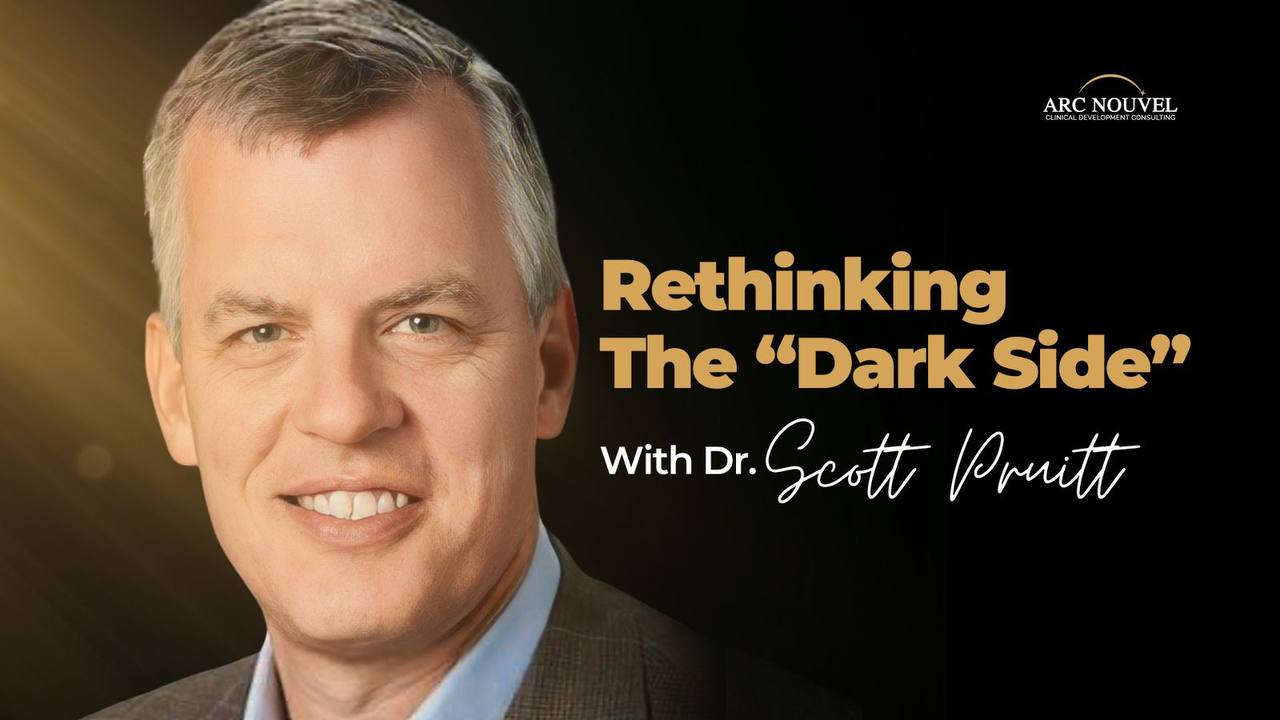

For decades, a familiar phrase has echoed through academic hallways and hospital corridors whenever a physician-scientist announces a move into industry: “going to the dark side”. The words are often delivered with a wry smile or a half-joking warning, but beneath the humor sits a deeper judgment. The phrase carries an implicit hierarchy, one that casts pharmaceutical development as less rigorous than academia, less ethical than clinical care, less intellectual than discovery science, and fundamentally farther removed from patients.
It is a narrative so ingrained that few stop to question it. Industry is framed as a place where idealism is traded for profit, where science gives way to bureaucracy, and where patient care becomes abstracted behind spreadsheets and protocols. For many physicians trained to equate impact with face-to-face encounters and first-author papers, the idea of crossing that boundary can feel like a quiet betrayal of professional identity.
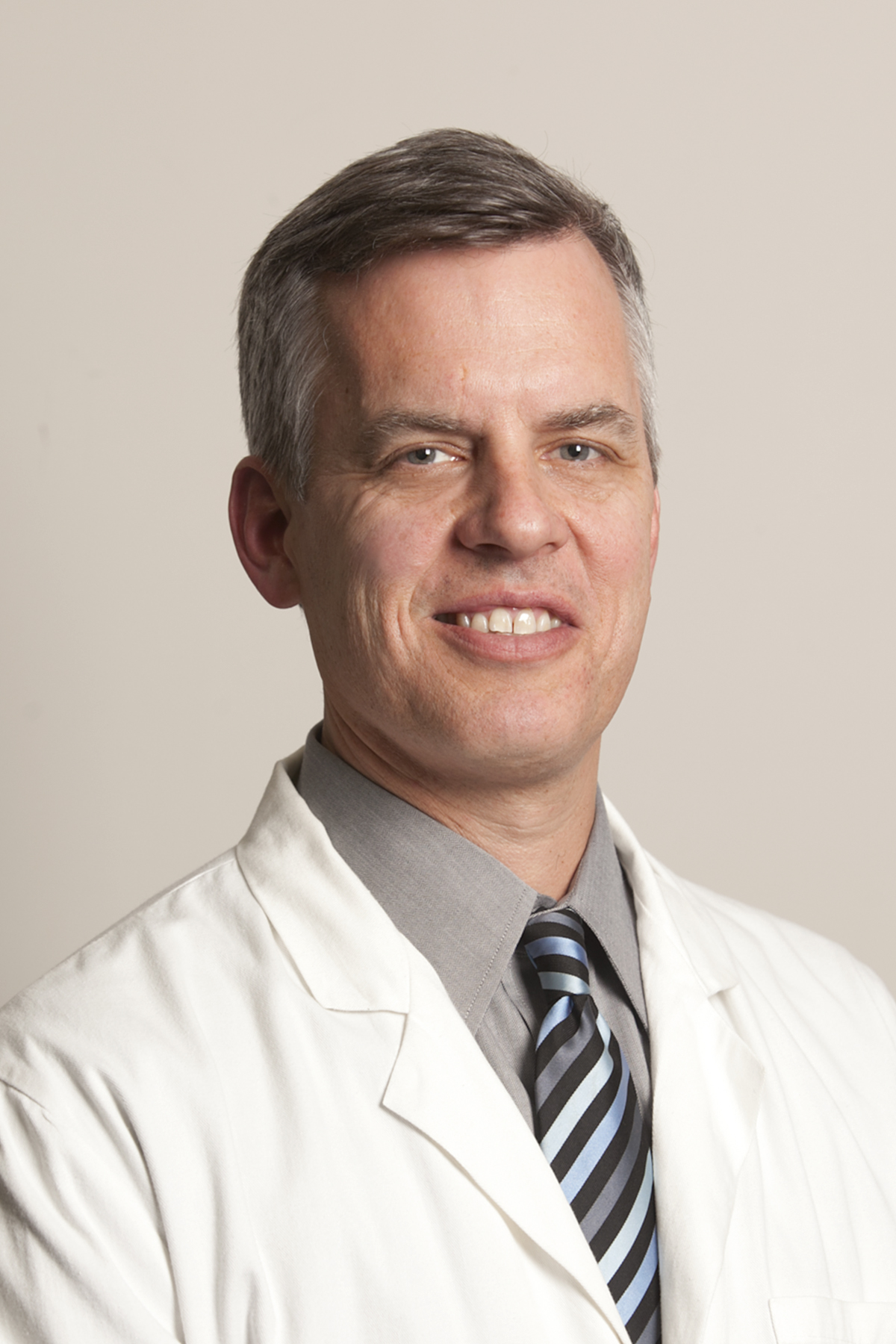
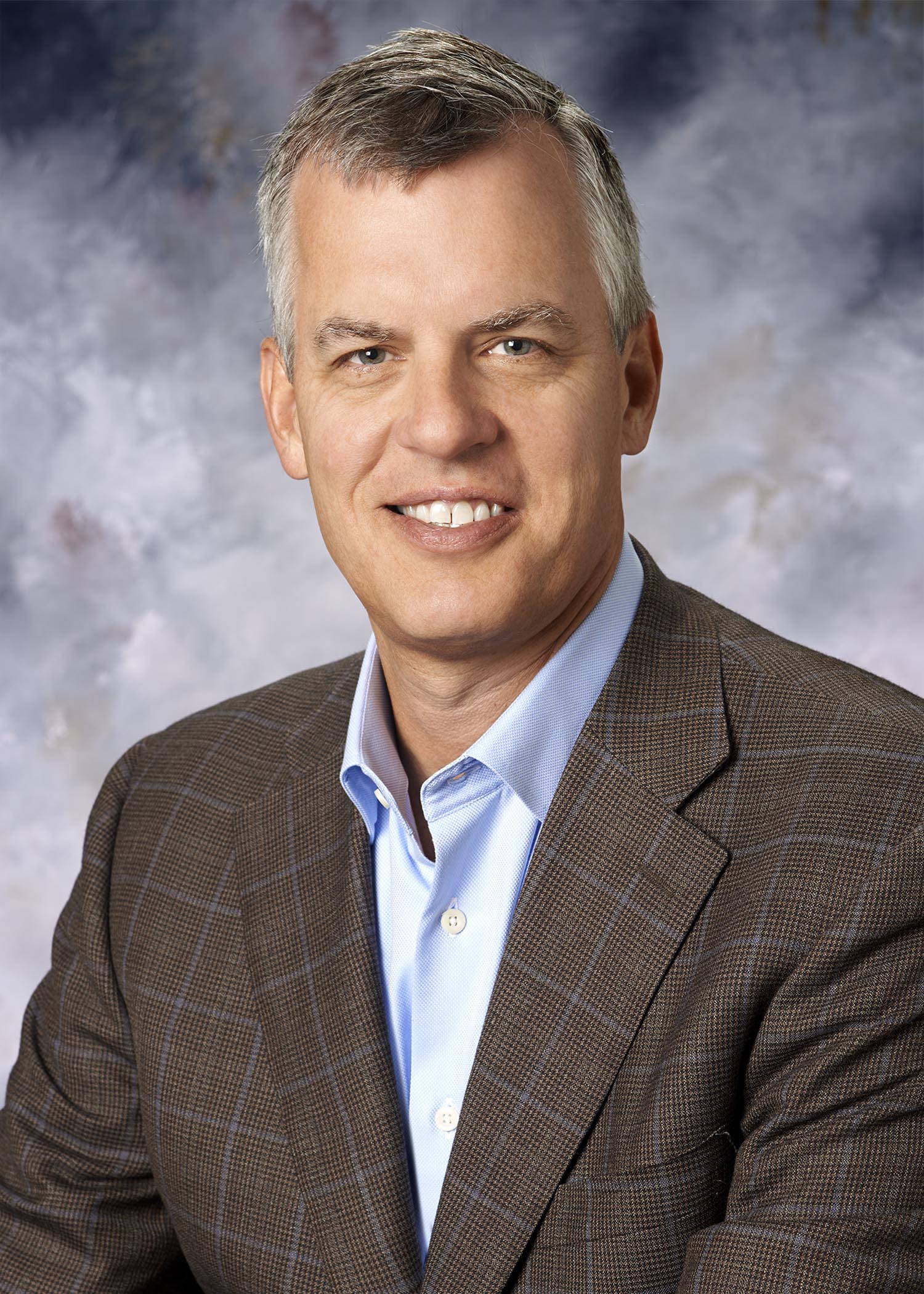
But when I spoke with Dr. Scott Pruitt, former surgical oncologist, immunologist, and long-time oncology leader at Merck, that familiar caricature unraveled quickly. Dr. Pruitt has spent his career moving deliberately across the full continuum of medicine: from the operating room, to the academic laboratory, to the complex machinery of large-scale pharmaceutical development. Rather than viewing these worlds as competing domains, Pruitt sees them as interdependent, and incomplete without one another.
From Transplantation Immunology to Dendritic Cell–Based Cancer Vaccines
Dr. Pruitt’s path into oncology was not preordained. When he entered medical school at Columbia University, surgery was the only fixed point in his plans, an influence shaped early by his father, a surgeon whose career blended trauma care, burn research, and military medicine.
“I always thought I was going to be a surgeon,” Pruitt recalls. “The research I did in medical school was actually in transplantation immunology.”
That early immersion in immunology carried him to Duke University Medical Center for surgical residency, a program known for embedding prolonged, rigorous research training into surgical education. What began as a standard two-year research commitment expanded into five years in the laboratory, culminating in a PhD in Microbiology and Immunology.
The science itself would quietly redirect his career. Transplantation immunology is built on restraint, teaching the immune system what not to attack. Cancer demanded the opposite.
“Everybody I worked with understood the yin and yang,” he explains. “In transplantation, you’re trying to inhibit the immune system so it will tolerate the organ. In cancer, you’re trying to get the immune system to react to cancer and kill it.”
That conceptual inversion proved decisive. As Dr. Pruitt completed his residency and moved into an attending role at Duke, he gravitated toward surgical oncology, drawn by the challenge of applying immunologic principles to one of medicine’s most unsolved problems.
He established his own laboratory, secured NIH funding, and began developing dendritic cell–based cancer vaccines. The work was deeply translational, long before that term became fashionable. It required direct engagement with the FDA, navigation of recombinant DNA advisory processes, and hands-on manufacturing of personalized vaccines in a cell processing facility.
This was not abstract bench science. It was medicine built molecule by molecule, patient by patient.
The results, at times, were extraordinary. One melanoma patient achieved a complete response.
But …
The Academic Squeeze
Like many physician-scientists, Dr. Pruitt found himself stretched across too many roles at once. He was operating, running a laboratory, mentoring trainees, teaching, writing grants, and caring for patients, often with little sleep and shrinking margins for error. Over time, the strain became less about personal endurance and more about the structural limits of what academic medicine could realistically sustain.
Funding pressures intensified. Grant paylines tightened. Review cycles grew more competitive. Even previously reliable sources became unpredictable. Dr. Pruitt recalls a moment that crystallized the fragility of the academic research ecosystem.
A charitable foundation awarded him a $1 million grant to support a breast cancer vaccine program, only to revise the award almost immediately.
“They told me, ‘We can only give you $900,000 because we gave too many grants this year,’” Dr. Pruitt recalls. “I was already over budget. That was one of those moments where you realize how untenable this can become.”
While he could likely have cobbled together additional support, the episode underscored a deeper problem: progress depended on constant financial improvisation rather than sustained, reliable investment. It was, as he puts it, “one nail in the coffin.”
Equally influential was a scientific reality he could not ignore. Personalized, cell-based cancer vaccines were intellectually compelling and, in select cases, clinically transformative. But they were also fundamentally limited by scale.
“That complete response was incredibly meaningful,” he says. “But it’s not how you change outcomes at scale.”
The realization was sobering. Custom-manufactured therapies developed in academic settings were unlikely to ever reach the thousands, or millions, of patients who might benefit.
“I couldn’t see a realistic path to turn what I was doing into something that could help thousands of patients,” he explains.
There was also a practical inflection point. After enough continuous years at Duke, Dr. Pruitt became eligible for his institutional retirement package. It felt, by coincidence or timing, like a door opening.
“The day I qualified for that retirement package,” he says, “I got an email from a headhunter asking if I’d consider industry.”
He responded. One interview followed at an oncology company that ultimately decided it was looking for a medical oncologist. That’s when Merck entered the picture.
“They didn’t care whether I was a medical oncologist or a surgeon,” Pruitt says. “They were looking for scientists.”
At the time, 2013, Dr. Pruitt was still fully embedded in academic life. Even while developing personalized cancer vaccines, he continued to operate, balancing surgical practice, laboratory research, and grant-funded investigation.
“I was still a surgeon the entire time,” he says. “I didn’t step away from patient care until the transition actually happened.”
Industry, increasingly, seemed less like a compromise and more like an amplifier.
Debunking the 4 Myths of the “Dark Side
When asked what assumptions the phrase “going to the dark side” actually reveals, Dr. Pruitt does not hesitate. The label, he says, reflects a cluster of long-standing caricatures about industry, many of which collapse under even modest scrutiny.
“There are a few assumptions people always make,” he says. “First, is that industry people care only about money… I know what academic salaries look like,” he says. “There are many people doing well in academia. The presumption that industry people are automatically getting paid vastly more just isn’t true.”
Second, intelligence.
“Another assumption is that industry people are not really scientists.”
Underlying those claims is a more pointed insult: intelligence.
“The idea is that if you were smart, you’d stay in academia,” Pruitt says. “And if you weren’t, you’d go to industry. I met an extraordinary number of brilliant people in industry,” he says. “Just as many as in academia, if not more. That stereotype didn’t hold up at all.”
Third, the fixation on money.
“If you go into industry because you want to make a lot of money, the only way to do that is to make a really good drug that helps a lot of people,” Dr. Pruitt says.
In industry, he explains, financial success is inseparable from clinical success. Unlike other sectors, there is no shortcut to profit that bypasses patient benefit.
“If your goal is to help a lot of people, you make a really good drug,” he says. “And the money follows. That’s just how it works.”
From Dr. Pruitt’s vantage point, this alignment of incentives dissolves the moral distinction often implied by the “dark side” label. Regardless of whether one’s motivation is scientific curiosity, patient impact, or even financial reward, the outcome is the same: therapies that reach patients.
“It doesn’t really matter what your underlying motivation is in industry,” he says. “The end result is that a lot of patients benefit from the work.”
The fourth persistent myth is that industry work is somehow less demanding.
“People think you collect a big paycheck and work from ten to two,” Dr. Pruitt says. “That couldn’t be further from the truth.”
He compares the workload directly with his years as a surgeon.
“I worked just as long, if not longer, hours,” he says. “When I was a surgeon at Duke, I was often getting four hours of sleep a night, sometimes less. In industry, I worked just as hard.”
The difference, he notes, was not effort but focus. Instead of juggling operating rooms, clinics, grants, and laboratories simultaneously, his time in industry was consumed by the continuous demands of clinical development, protocol design, safety monitoring, regulatory engagement, biomarker strategy, and constant decision-making.
“I don’t buy the idea that industry people don’t work hard,” Pruitt says. “There is an enormous amount of work to do, and the stakes are just as high.”
Losing Immediate Gratification, Gaining Scale
Leaving surgery meant giving up a particular kind of gratification. Surgeons see immediate results. Tumors are removed. Organs are repaired. Gratitude arrives quickly.
“That immediate gratification; that’s real, and yes, you lose that when you move to industry.”
What replaces it is delayed, collective impact.
At Merck, he worked alongside large, multidisciplinary teams, clinicians, statisticians, translational scientists, biomarker experts, regulatory specialists, all aligned around a single goal.
“Instead of doing everything myself,” Dr. Pruitt says, “I was part of a huge team of people who all wanted the same thing.”
Patients may never know his name. They thank their doctors, not the people who built the drug. That doesn’t trouble him.
“If the physician who writes the prescription gets the credit, that’s fine,” he says. “We know what the impact is.”
Tumor-Agnostic Thinking, and the Courage to Try
Among Pruitt’s most consequential contributions at Merck was his involvement in the work that led to the first tumor-agnostic immunotherapy approvals.
At the time, the idea of developing drugs based on biomarkers rather than organ of origin was far from mainstream. Some questioned whether it even made commercial sense.
“People said MSI-high cancers weren’t commercially viable, but one to two percent of all cancers is still a lot of cancer.”
Merck moved forward anyway. The result was a landmark tumor-agnostic approval, one that reshaped oncology drug development well beyond a single program.
“That initial tumor-agnostic approval was a great advance for patients with advanced MSI-H tumors, but what people may not appreciate was the ripple effect,” he says. “It opened the door for other tumor-agnostic approvals, across companies, across diseases.”
Operationally, the work was anything but simple. Trials required extensive tissue submission,25 viable tumor sections per patient, to enable deep biomarker analysis. But while some investigators expressed their hesitation for submitting the required tissue, having these tissue specimens for essentially every patient in the Keynote-158 study allowed the development of companion diagnostics, evaluation of additional biomarkers, and multiple additional downstream regulatory approvals.
“That tissue was worth it,” Pruitt says. “That’s how you do this right.”
Where Industry Differs, and Why It Matters
Dr. Pruitt challenges the claim that industry science is somehow less “real” than academic science. The difference, he argues, is not intent or intelligence, but process, scale, and skepticism.
Academia is essential for discovery and hypothesis generation. Industry exists to decide whether a signal can survive regulatory scrutiny and safely guide care for thousands of patients.
“The difference is the size and scope of the trial. Academia will usually do small trials in an academic lab. You might do some biomarker analyses,” Dr. Pruitt says. “But the rigor with which industry has to validate those biomarker assays and make sure they’re reproducible and that they have the highest level of quality, that’s not always the case in academic research.”
“Every industry study has to be statistically powered. Many academic trials are not.”
That skepticism is not theoretical. Dr. Pruitt recounts a high-profile academic paper reporting striking activity for a drug Merck had previously outlicensed. Rather than act on the publication, his team attempted replication.
They couldn’t reproduce the results, and eventually neither could other academic labs.
Believing the paper would have meant repurchasing a failed asset based on irreproducible data.
“If it looks too good to be true, maybe it is.”
This disciplined doubt, he argues, is what prevents expensive, and sometimes dangerous, late-stage failure.
He also warns against skipping Phase II in oncology. Biomarker cut points and assay thresholds cannot be defined in a handful of patients.
“It doesn’t take 20 patients. It takes hundreds.”
The same realism applies to AI and digital pathology. The promise is real, but the training data requirements are routinely underestimated.
“You need hundreds, if not thousands, of high-quality cases. That takes time and money.”
Ethics
When asked where ethical accountability is strongest, academia, surgery, or pharma, Dr. Pruitt rejects the premise.
“That would imply someone is acting unethically. I don’t believe that’s the case at all.”
Across settings, he sees a shared foundation: everyone follows the same principle, do no harm. What differs is enforcement.
In industry, harm triggers immediate, layered oversight. Trials stop. Data is reviewed. Nothing can be concealed.
“There’s no way to sweep it under the rug and still get approval.”
Clinical care is deeply ethical and personal, patient by patient. But oversight can be fragmented, especially outside large systems. Industry, by contrast, operates under continuous internal and external review.
Early oncology trials present the hardest ethical tension. Many patients enroll because no effective standard options remain.
Deaths may reflect disease, yet still count against a trial. At the same time, enrolling patients too late can bury a drug’s real potential.
“You can bury a good drug by choosing the wrong population.”
There are no perfect decisions, only systems designed to minimize irreversible harm while giving meaningful therapies a chance to succeed.
A Mindset Shift for Physicians Considering Transition to Industry
For physicians considering the move into industry, Pruitt believes the key shift is psychological.
“In academia, it’s really all about you,” he says.
He means the incentive structure: clinical volume and reimbursement, grants, publication counts, and career advancement, often with limited credit for behind-the-scenes collaboration.
“You get judged by how many grants you get, how many publications you have,” he says. “You may have helped five people get their grants, but you don’t get credit for that.”
Industry requires a different operating system.
“When you get to industry, you have to forget about you,” he says. “Now it’s one big team. Everybody is swimming in the same direction.”
Recognition looks different, milestones, approvals, internal celebrations, less about authorship and more about collective progress.
“We always had team celebrations with each approval… where all the contributors got together,” he says.
And he offers a practical warning for academics: you can’t assume your personal research program will map onto a company’s priorities.
“If you’re thinking, ‘I’m going to come… and take my dendritic cell vaccine big time,’ you can put that out of your mind,” he says. “That may not be aligned with what [the company] wants to do.”
Reframing the “Dark Side”
If Dr. Pruitt could ask skeptics to reconsider one thing, he would start with a deceptively simple question.
“Where have drugs come from?” he asks.
Academia discovers. Industry translates and scales.
“Merck didn’t invent PD-1 blockade,” he says. “But we made it possible to treat patients with PD-1 blockade.”
He also pushes back on the idea that industry is far from patients. Trial monitoring, he argues, is its own kind of patient care.
“You’re reviewing all the patient records all the time,” he says. “You’re meeting with investigators all the time… you’re pretty close to each patient, knowing what’s happening with them and following their treatment journey on the trial.”
And he believes industry needs clinicians with real-world experience, people who’ve practiced long enough to anticipate what can go wrong.
“People fresh out of fellowship, sure,” he says. “But people who practiced a little longer… bring more patient care experience that can be beneficial.”
Why Arc Nouvel
What drew Dr. Pruitt to become a Consultant at Arc Nouvel was its refusal to accept false binaries, between academia and industry, but also between strategy and execution.
“What Arc Nouvel does is bring together expertise that small and mid-size companies simply can’t build themselves,” he says.
Arc Nouvel’s model reflects a reality Dr. Pruitt has lived: early oncology development is too complex for silos. Biological insight, trial design, biomarker strategy, operational execution, and regulatory posture have to work together early, because the cost of getting it wrong usually shows up late, a dynamic the founder, Dr. Nageatte Ibrahim, knows firsthand from her own transition between academia and pharma.
As a consultant, he brings the discipline of large-scale development to the decisions that define a program’s trajectory: what evidence is sufficient, what is wishful thinking, when Phase II is warranted, and how to build biomarkers that are reproducible and decision-grade.In many ways, it reflects the philosophy that has guided Dr. Pruitt’s entire career: medicine works best when its domains collaborate, not compete.
The dark side, it turns out, was never industry.
It was the myth that medicine can advance without it.