

For decades, medicine has told itself a story. It is a story with moral clarity: white coats and academic halls represent purity of purpose, while industry, pharmaceutical companies, biotech startups, commercialization offices, lurks somewhere in the shadows, necessary but suspect. Physicians who cross that boundary are often said, half in jest and half in judgment, to have “gone to the dark side.”
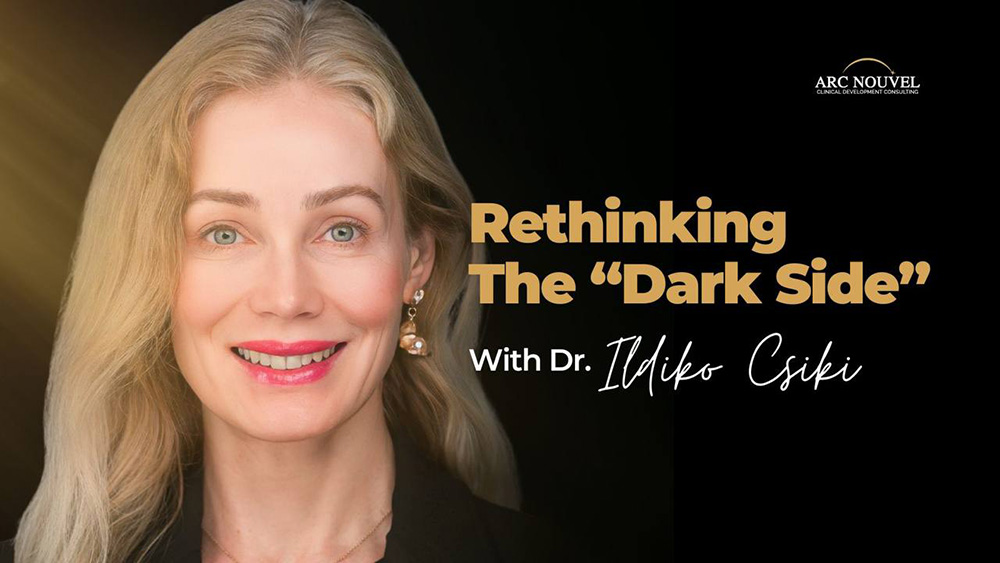
This article is part of Arc Nouvel’s “Rethinking the Dark Side”, a series that challenges the stigma surrounding industry by listening closely to those who have lived on both sides of the divide. Few voices are better positioned to do so than Dr. Ildikó Csíki. Trained along the most traditional academic path, she has moved repeatedly between academia, clinical practice, industry leadership, and now patient-centered innovation. Her career is not a detour from medicine. It is a sustained interrogation of what medicine actually requires to keep its promises.
What follows is her story, told through her words, unchanged, and placed in context through deep reflection on what her experience reveals about the ecosystem we have built, the myths we maintain, and the patients caught between them.
The Physician-Scientist
“I’m a physician-scientist by training,” Dr. Csíki says, almost understatedly, before unfolding a trajectory that mirrors the ideal many young doctors are taught to pursue: medical school and a PhD at Vanderbilt, postdoctoral research, residency, fellowship, and ultimately a faculty position at the University of Pennsylvania.
At Penn, she lived what many consider the dream. She ran a translational science laboratory. She had an active clinical practice. Her scientific focus, thoracic malignancies, placed her face-to-face with some of the most devastating cancers in medicine.
Yet it was precisely this closeness to patients that began to fracture the dream.
“There really weren’t a lot of therapies available for lung cancer patients,” she recalls. “Immunotherapy was in early stages of investigation… these patients would not be able to access these medicines otherwise.”
Many of her patients were young. Some were women her own age. Many had no obvious risk factors. And despite exciting discoveries unfolding in laboratories, what she could offer them in the clinic was painfully limited.
“My lab was doing really exciting work,” she says, “but it really wasn’t something that I could offer my patients that day. It was kind of the future.”
The gap between future promise and present need is one of medicine’s most uncomfortable realities. It is also where ideals are tested.

Not Money or Ambition, but Impact
One moment stands out with particular clarity. Sitting in her chairman’s office, speaking with a mentor she respected deeply, Dr. Csíki found herself in tears (add)when voicing her frustration.
“I had told him that… all of my patients were having these really terrible diseases… and really, we didn’t have better medicines to offer them.”
The response was honest and devastating in its simplicity: This is where medicine is today.
“And I was thinking,” she recalls, “this is really crazy. Like, it can’t be.”
This was not a crisis of competence. It was a crisis of responsibility.
“Until you hold the entire responsibility for the patient, when you’re the attending, that’s when the weight kind of comes onto you.”
As a trainee, there is always someone else who ultimately “owns” the patient. As an attending, there is no such buffer. The life in front of you is yours to answer for.
The ethical tension Dr. Csíki felt was not about money or ambition. It was about impact.
“The ethical choice is not so much to just stay in academia in the path that you have chosen,” she says, “but to follow the path where you can have the greatest impact.”
In 2014, she chose to leave academia for industry, a move that would permanently alter how she understood medicine.
“The Dark Side” and What It Really Reflects
The phrase came quickly.
“You’ve gone to the dark side.”
Dr. Csíki has heard it many times.
“I think that actually reflects a little bit on the academic culture than the industry itself.”
At its core, she argues, the phrase reveals a profound misunderstanding of how medicines are actually made.
“Without the manufacturing capabilities that industry has, the regulatory experience, the capital that is needed to develop drugs, the academic discoveries would never reach patients.”
Industry, in this sense, is not a moral deviation from medicine. It is one of its essential organs, uncomfortable to acknowledge, perhaps, but impossible to live without.
There is also medicine’s conflicted relationship with money.
“As a clinician, you can bill even $15,000 for a surgery,” she notes. “But physicians in academia are uncomfortable with the pricing of the drugs.”
And beneath that discomfort lies fear.
“The fear that maybe the academic model isn’t the only noble path.”
“There is really no dark side,” she concludes. “There is just different parts of the same ecosystem.”
At Merck, where she led global clinical development for pembrolizumab in GI malignancies, she saw this integration firsthand. Academic scientists discovered the PD-1 pathway. Industry built the infrastructure, manufacturing capabilities, regulatory expertise, multi-country Phase III trials, to turn that discovery into a therapy that changed outcomes for millions of patients with various malignancies. Neither sector could have achieved it alone.
The Invisible Majority: Most Medicines Never Exist
One of the most persistent public beliefs about drug development is that promising therapies are being deliberately withheld, slowed by profit, bureaucracy, or indifference. Dr. Csíki encounters this belief frequently, and she believes it profoundly distorts reality.
“What the public really doesn’t know,” she explains, “is that most drugs don’t really make it. Most drugs fail.”
This failure, she emphasizes, is not evidence of corruption or incompetence. It is evidence of rigor.
“And that’s actually because of good science.”
From the outside, drug development appears deceptively linear. A discovery is published. Headlines announce a “promising cancer drug.”
“What the public sees is that there’s a new cancer drug… and they are like, why don’t we have this medicine? Who is keeping this medicine from us?”
What they do not see is the vast, invisible majority of candidates that never reach a single patient.
“They don’t see all the other drug candidates that fail. They don’t see that for success, there were so many drugs that have failed, were too toxic or just simply they couldn’t be manufactured.”
Every approved therapy stands on the ruins of dozens, often hundreds, of failures. Compounds that looked elegant in preclinical models but proved unsafe in humans. Molecules that worked biologically but could not be produced at scale. Treatments that shrank tumors but damaged vital organs beyond recovery.
“You can’t just have a very effective drug,” she says, “but one that will kill not just the tumor, but also the patient as well.”
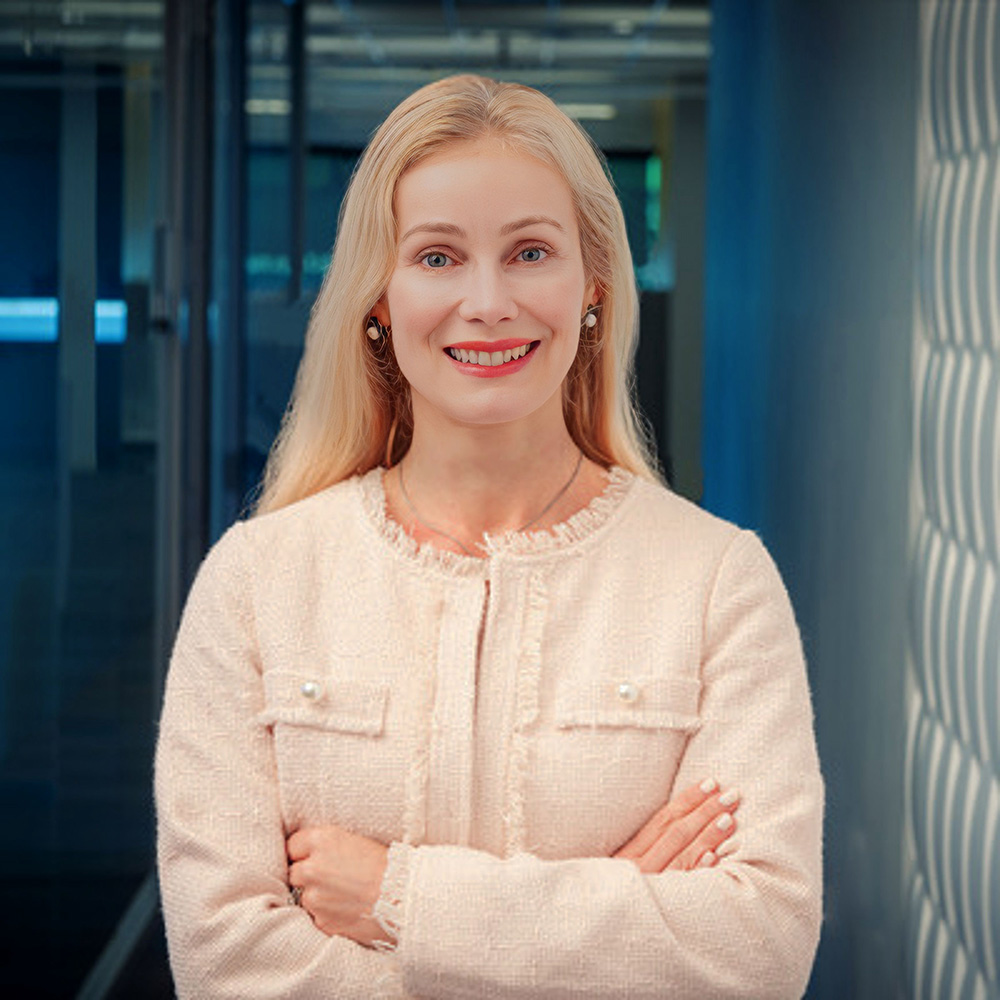
Cancer Drug Development: Speed Versus
At the heart of drug development lies a tension that never fully resolves.
“We want to go as fast as possible,” Dr. Csíki explains, “but we want to ensure that the drugs that we develop are actually safe. So they have to be both safe and efficacious.”
Every acceleration carries risk. Every delay costs lives. Balancing the two is not an abstract exercise but a daily ethical calculation.
Even many physicians underestimate how difficult this balance is.
“I have a lot of academic colleagues that criticize pharma without really understanding how difficult it is to find one successful drug and how to then develop it thoroughly.”
Profit and Patient Care
Critics often argue that profit and patient care are fundamentally at odds, that the moment medicine becomes profitable, it becomes morally compromised. Dr. Csíki believes this argument rests on a dangerous simplification.
“I think it’s because we assume that, you know, to be profitable means that you kind of have… you’re somewhat corrupt, and you won’t go after the right therapies.”
For her, the real ethical fault line is not profit itself, but what profit is allowed to drive.
“The legitimate concern is when profit is clearly the primary driver, rather than an enabling mechanism.”
“Profit can’t be the sole metric,” she says, “but someone has to carry the risk of innovation. Right now, that’s industry.”
She reframes the discussion through a concept medicine already claims to value: value-based care.
“When you do something right, when you provide true value… what is the value of giving someone years of life when they are told that they only have a couple of months to live?”
In that framing, profit is not the goal, it is the consequence.
“When we are providing true value, there is a lot of money that is realized in that process.”
What is often overlooked is the magnitude of risk embedded in innovation.
“Pharma companies won’t know if a drug will make it. And they have to put in a lot of years, a lot of trials, a lot of patients.”
No other sector can realistically absorb that level of uncertainty.
“There is no academic center, no government, no philanthropic organization that is able to fund this.”
Because of this, pharmaceutical companies inevitably become the risk holders of the system, and risk must be recoverable.
“They have to find a way to recover for that.”
The ethical opportunity, she argues, lies in what happens next.
“When you have a successful drug… the goal is that you would put the revenues from there back into innovation.”
Instead of waiting to acquire assets only after risk has been absorbed elsewhere, she envisions earlier, deeper partnerships.
“What if we could invest in earlier innovation, invest in academic founders, help academic institutions set up these industry-like groups?”
This was her vision at City of Hope.
“If we really build an industry mindset within an academic institution, then we will bring value so much faster to patients.”
What Would Happen Without Pharma?
When asked what would realistically happen to academic breakthroughs without pharmaceutical companies, Dr. Csíki answers without hesitation.
“They would just fail.”
Not a hypothetical, but a conclusion drawn from experience. As Chief Commercial Research & Development Officer at City of Hope, Dr. Csíki built the Integrated Drug Development Venture (IDDV), managing 30+ programs and creating infrastructure that generated over $2 billion in partnership value. Even with this level of academic investment, pharmaceutical partners were essential for later-stage development.
Not because academia lacks brilliance, but because it lacks infrastructure.
“When you get beyond phase one… you need pharma.”
Without industry, most discoveries would remain trapped between promise and practice.
Beyond infrastructure, there’s the access challenge. Dr. Csíki founded Wondrlink Foundation to address the gap between breakthrough precision medicine and patients who could benefit from it. “We can develop incredible therapies,” she explains, “but if patients can’t navigate the system to access them, we haven’t finished the job.”
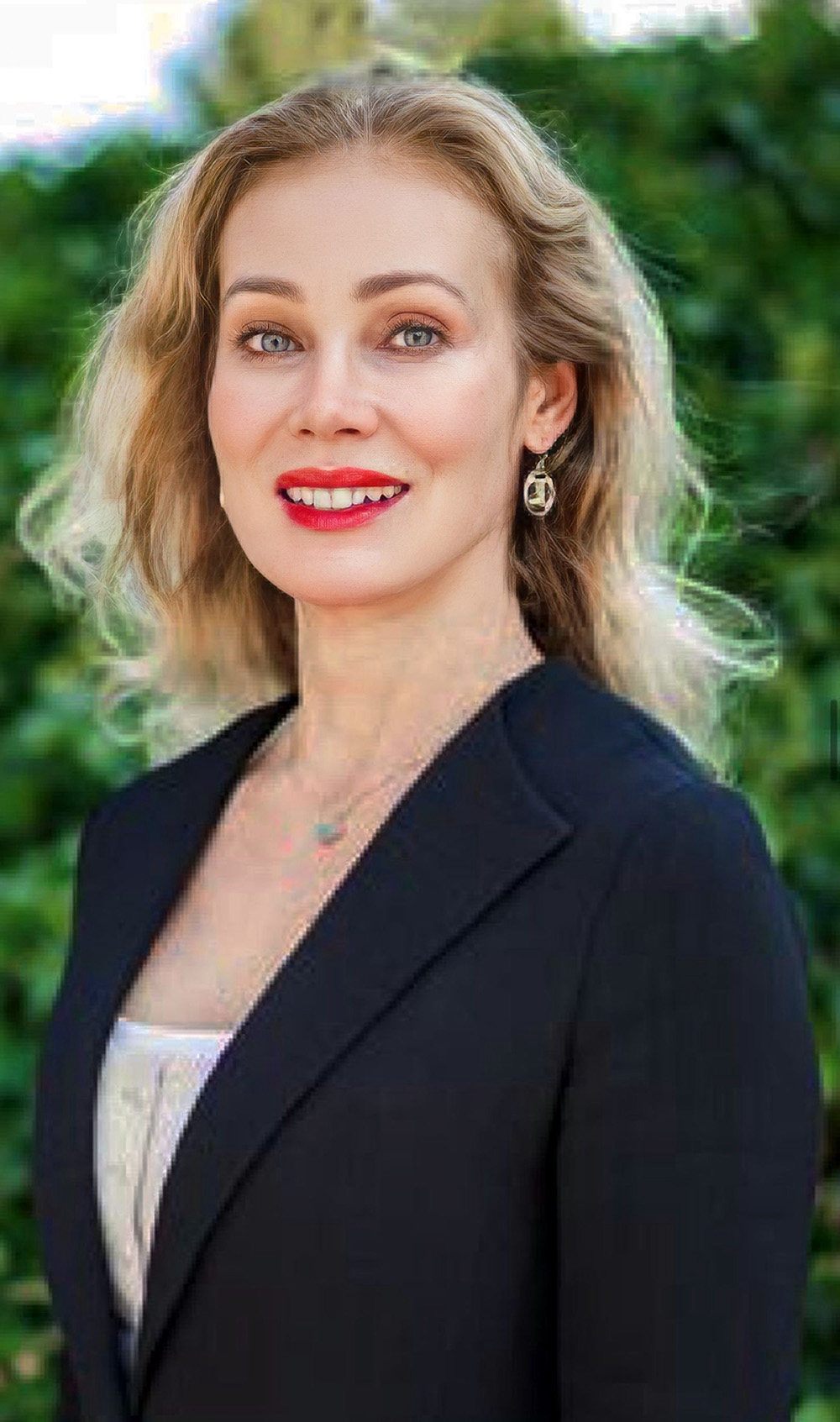
Rethinking the Dark Side: End of the War Lasting for Years
When the history of modern medicine is written, Dr. Csíki believes pharma should be remembered for one essential role.
“They are the translational engine that makes the scientific revolution truly medically meaningful.”
But remembrance is not enough. Pharma must grow, toward transparency, trust, and genuine integration with academia.
“This should be the end of the war lasting for years,” she says. “There should be a call to action for becoming one and acting like one and helping people.”
Dr. Ildikó Csíki’s story is not about leaving medicine. It is about expanding it.
The real “dark side” may not be industry at all, but the comfort of believing that good intentions are enough.
Patients need medicines.
And those medicines are born where science, care, capital, and courage meet.
That is not the dark side.
That is the WORK.